Ask ten people what they worry about with laser hair removal, and at least half will say pain. The rest will mention safety and the risk of burns or pigment changes. All three concerns tie back to one variable that doesn’t get enough attention outside of professional circles: cooling. Cooling is not an add-on perk. It is the backbone of safe, effective, and comfortable laser hair removal treatment. When a clinic gets cooling right, clients tolerate higher energy, sessions finish faster, and the risk profile shifts in your favor.
I have worked with multiple laser platforms over the past decade, from early-generation IPL and Nd:YAG units to modern diode and alexandrite systems with integrated cooling. I have seen what happens when the cooling is inadequate, poorly timed, or mismatched to a client’s skin type. I have also watched anxious first-timers relax halfway through a session because the cooling balanced the heat they feared. That gap in outcomes is why a laser hair removal clinic should talk about cooling technology as confidently as it talks about wavelengths, spot sizes, and lasers with impressive brand names.
The physics behind comfort and safety
A laser hair removal machine directs light into the skin at a specific wavelength to target melanin in the hair shaft and follicle. The energy converts to heat, disrupting the follicle’s ability to regrow. Here is the catch: skin has melanin too, and blood vessels and nerves sit close to our targets. If we dump enough energy to damage hair, we invite collateral heat in surrounding tissue. Controlled cooling counters this, but not by “cancelling” heat. It changes the skin’s thermal dynamics.
Good cooling creates a protective temperature gradient. The epidermis, which holds most of the melanin that dictates visible skin color, stays cool. Heat still reaches the follicle because hair sits deeper than the cooled superficial layer. The effectiveness of laser hair reduction hinges on getting this gradient right. Without it, we either under-treat to avoid side effects or over-treat and risk blisters, temporary darkening, or, rarely, scarring.
You can see the impact in treatment parameters. On devices with efficient cooling, clinicians can use aggressive fluence with safe laser hair removal outcomes even on trickier areas like underarm laser hair removal or bikini laser hair removal. On platforms with weak or inconsistent cooling, we dial back and need more laser hair removal sessions to achieve comparable laser hair removal results.
The main cooling methods, and when they shine
Not all cooling is equal. The three methods you will encounter in a professional laser hair removal setting are chilled contact tips, cryogen spray, and cold air. Many clinics combine methods, which is often the sweet spot.
Chilled contact cooling sits at the handpiece tip. A sapphire or glass window is actively cooled by thermoelectric elements or circulating fluid. When pressed against the skin, it pulls heat from the epidermis where melanin density is higher. The clinician can see and feel the temperature, and the cooling is immediate at the point of laser delivery. Contact cooling is fast and efficient, especially for flat areas such as leg laser hair removal and arm laser hair removal. The limitation appears on contoured or uneven surfaces where full contact is difficult, like a jawline during facial laser hair removal, or where hair density is high and gel buildup interferes with smooth handpiece glide.
Cryogen spray cooling, also known as DCD, delivers a short burst of a cooling agent milliseconds before the laser pulse. It evaporates on the skin, dropping surface temperature without chilling deeper structures. The timing matters. Too early and you lose effect. Too long and you can cause frost marks or uneven cooling. When tuned correctly, DCD excels on alexandrite platforms for large areas and light to medium skin types. It lets us push for advanced laser hair removal power while keeping the top layer safe. It is less helpful in very humid rooms where evaporation slows or in clients who dislike the repeated cold “kiss.”
Cold air cooling uses a high-flow stream of chilled air directed at the treatment site before, during, and after the pulse. It doesn’t obstruct the optical pathway or require contact, which is an advantage on irregular surfaces and sensitive zones. It also helps manage cumulative heat across long passes in full body laser hair removal. The downside is simple logistics. Hoses add bulk, and if the operator loses aim by a few centimeters, efficacy drops. Still, when clients ask for painless laser hair removal or have a history of urticaria or sensitivity, cold air is a steady performer.
In practice, I lean on contact cooling for speed, add cold air for comfort on dense areas like back laser hair removal or chest laser hair removal, and reserve cryogen for specific alexandrite protocols where timing is dialed in. Combination cooling allows higher fluence with fewer passes, which in turn can improve the laser hair removal effectiveness rate per session.
Matching cooling to skin type and hair type
Laser hair removal for dark skin demands respect for melanin-rich epidermis. Longer wavelengths like 1064 nm Nd:YAG penetrate deeper and scatter less in melanin, which helps, but cooling still makes or breaks the session. I rely on robust contact cooling plus cold air on Fitzpatrick IV to VI when performing laser hair removal for body areas with coarse hair. This approach prevents post-inflammatory hyperpigmentation and maintains safe skin temperatures even when energy is adequate for thick hair.
Laser hair removal for light skin is more forgiving, since the melanin contrast between hair and skin is higher. Alexandrite and diode platforms can run hotter without penalty, but clients with fine hair on the face or arms still feel heat spikes. Cooling improves comfort and reduces the redness that can linger after laser hair removal therapy. It also allows us to use larger spot sizes, a technique that cuts time and supports even coverage.
Sensitive skin throws a curve ball. Some clients react to pressure from contact tips or dislike gel. Others flush easily. Cold air is your friend here, along with short pulse stacking and a slightly slower pace. For laser hair removal for sensitive skin, I spend more time pre-chilling each small field, then finish with a cool pass to temper residual warmth. This measured approach avoids wheals and keeps laser hair removal side effects to low-grade pinkness that fades within a day.
Hair thickness matters too. With coarse, dark hair, heat builds quickly and can be uncomfortable at the moment of pulse. Cooling blunts that spike. With fine hair, the risk is undertreatment. Cooling won’t solve low melanin content, but it lets the clinician test incremental energy increases without dazing the epidermis. That balance is key when tailoring a laser hair removal customized plan for mixed-density areas such as women’s lower face or men’s shoulders.
Comfort is not a luxury, it is a tool
There is a persistent myth that pain equals effectiveness. I have seen clients refuse numbing cream to “make it work better,” which is not how this science operates. Pain signals are not reliable guides to follicular damage. What matters is delivering sufficient energy to the target at the right depth for the right duration while protecting the skin above it. Cooling allows that. When clients experience a comfortable, safe laser hair removal session, they sit still, the operator maintains consistent overlap, and the treatment map stays accurate. Compliance with schedules improves too, and that alone can lift laser hair removal long term results.
The right cooling method also shortens recovery. Without it, erythema, edema, and warmth can linger. With it, downtime becomes minimal. Most clients leave a laser hair removal appointment with mild redness that resolves within a few hours, and they return to normal activities the same day. This is a practical benefit, not just a comfort perk. Fewer post-care issues mean fewer calls to the clinic asking about bumps or hot spots and more trust in the laser hair removal service.
A closer look at devices, not brand hype
When clients ask for the best laser hair removal, they often mean the best machine. Technology matters, but not in the way glossy brochures suggest. For the operator, the question is: how does this device manage heat, and how consistently? The most important hardware details are:
- Cooling modality and control. Can the clinician adjust pre, parallel, and post cooling? Is the cooling independent of fluence and pulse width? Real-time skin feedback. Does the handpiece maintain contact temperature, or does it drift during long passes? Can you see temperature trends? Spot size and repetition rate. Larger spots and higher hertz challenge cooling. Can the cooling keep up without sacrificing coverage or increasing laser hair removal risks? Ergonomics. A well-balanced handpiece with smooth glide reduces pressure and friction heat, which indirectly supports laser hair removal safety. Maintenance and calibration. Cooling systems degrade when filters clog or coolant levels drop. Reliable clinics log maintenance and check temperature output at set intervals.
This is where a laser hair removal center earns its reputation. The best clinics have protocols for calibrating cooling performance, not just for checking fluence accuracy. More than once I have diagnosed rising client discomfort to a simple issue like a worn contact window that impeded efficient heat transfer. A five-minute fix saved an hour of subpar treatment.
The role of cooling across different body areas
Each area of the body handles heat differently. Underarm laser hair removal runs hot because hair is coarse and density is high, but the skin there tends to tolerate energy with good cooling. I prefer a firm contact tip with cold air assist to reduce sweat interference.
Facial laser hair removal demands finesse. The upper lip is notorious for sting due to nerve density and thin skin. Gentle pressure with a chilled tip, short pulses, and immediate post-cooling minimize discomfort and reactive swelling. On the jawline, hair can be coarse and mixed with vellus hair. Cooling lets us push higher energy on coarse clusters without irritating vellus-rich patches.
Back and chest laser hair removal can tax both client and operator. Large surface area means cumulative heat can sneak up as you progress. Continuous cold air plus periodic pauses for surface cooling keeps the last passes as tolerable as the first. On backs with folliculitis, cooling tempers post-treatment flare.
Bikini laser hair removal sits near nerve-rich territory. Many clients describe a sharp snap during the first pass. A short pre-chill, steady contact, and generous post-cooling reduce the startle response and keep clients from tensing, which improves accuracy and makes the laser hair removal process faster.
Leg laser hair removal benefits from momentum. With good cooling, I run large spots at a brisk pace without sacrificing coverage. Without good cooling, the shins complain and the ankles become a slog. Effective cooling keeps the rhythm smooth, and that rhythm matters for results when you are covering thousands of follicles per session.
Cooling and skin of color: the non-negotiables
Laser hair removal for dark skin requires discipline. Even with Nd:YAG, the epidermis can absorb stray energy. The safeguards are layered. First, experienced parameter selection. Second, test spots with honest assessment of endpoints. Third, robust cooling. I do not skip any of the three. The endpoint I want is perifollicular erythema and edema, not laser hair removal near me widespread graying or frosting. Cooling helps me hit that endpoint with a safety cushion.
I advise clients with Fitzpatrick IV to VI to stick with clinics that show receipts, meaning they can point to laser hair removal reviews from clients with similar skin tones, and they can speak concretely about their cooling approach. Ask to see the device, touch the handpiece, and feel the cooling. You should feel real chill before the pulse, not a lukewarm promise.
Debunking common myths about cooling
People often assume cooling reduces effectiveness by counteracting heat. It does not. It protects the very layer we want to spare while allowing energy to reach the hair follicle. Another myth is that numbing cream removes the need for cooling. Topical anesthetics dull sensation, but they do not change the skin’s thermal profile. In some cases they even mask cues that help the operator pace properly. I use numbing selectively for small, sensitive zones, and I always pair it with cooling.
Clients sometimes ask for ice packs as a substitute to create painless laser hair removal at home. Ice can help before and after, but it is blunt compared to precise device cooling. It can also cause vasoconstriction that changes skin response in ways that complicate consistent energy delivery. Effective cooling should be controlled, even, and synced with each pulse during the laser hair removal procedure.
How cooling shapes cost, scheduling, and results
Quality cooling is not free for the clinic. Machines with advanced cooling systems cost more, and maintenance adds to overhead. This can nudge laser hair removal price higher, especially at medical laser hair removal practices that prioritize top-tier platforms. On the other hand, if cooling allows higher fluence and fewer passes, you may need fewer sessions for lasting results. A package of six to eight laser hair removal sessions is common, but with robust cooling and accurate parameters, many areas show visible laser hair reduction after two to three sessions and reach a strong endpoint by session six. Thicker hair or hormonal influence can push that to eight or more. Fewer add-on sessions over time offset the initial laser hair removal cost for many clients.
Cooling influences scheduling too. With better tolerance, clinics can run longer appointments like full body laser hair removal without extended breaks. That efficiency benefits clients who travel or need consolidated sessions. Less post-treatment irritation also means less downtime. Most people resume normal routines right after, and post-care simplifies to sunscreen, gentle cleansing, and avoiding heat for 24 to 48 hours.

What to ask a clinic before you book
A short, focused conversation tells you more than a hundred ads. Use this checklist to frame your laser hair removal consultation.
- Which cooling methods does your laser hair removal machine use, and can I feel them before treatment? How do you adjust cooling for my skin tone and hair type, and do you perform test spots? What are typical energy and spot size ranges for my area, and how does cooling affect those choices? What post-cooling do you apply, and what aftercare do you recommend for redness or bumps? How do you maintain and calibrate your cooling system, and how often?
The best clinics answer plainly. They will explain how cooling fits into your treatment plan, not just as comfort, but as a safety layer that allows effective energy delivery. If a provider cannot speak to cooling in detail, consider that a red flag.
Small decisions during the session that make a big difference
Technique matters. Pressure with a contact tip should be firm enough to displace blood and improve optical coupling, but not so hard that it leaves blanching lines. Good pressure improves cooling efficiency and reduces surface scatter. Gel use must be consistent. Too much and the handpiece floats, reducing heat extraction. Too little and friction increases, creating hot spots.
Overlap is another quiet variable. Even coverage with 10 to 20 percent overlap maintains uniform heat distribution. Large gaps leave missed stripes, and excessive overlap cooks the same area twice. Efficient cooling gives the operator confidence to maintain the pace where overlap stays precise. On long passes, I write mental markers to pause for a few seconds of air cooling every few fields. This keeps cumulative heat in check without dragging the session.
Communication is the last ingredient. When a client signals a sting that feels different, I slow down, cool more, and evaluate the endpoint. A patch of skin with recent sun can need extra pre-chill or reduced fluence. Cooling is not autopilot. It is a dial you adjust moment to moment.
Before and after care that support cooling’s benefits
Preparation starts days before. Shave the day before your laser hair removal appointment so the laser targets the follicle, not surface hair that wastes energy and increases heat. Avoid heavy self-tanner and direct sun exposure for at least a week to reduce epidermal melanin and lower laser hair removal risks. Skip irritants like strong retinoids or acids on treatment areas for three to five days prior, especially before facial laser hair removal. On the day of, arrive with clean skin, no oils or thick creams that can insulate and interfere with contact cooling.
After treatment, lean into cooling’s momentum. Apply a cool compress for a few minutes if the area feels warm, then use a light, fragrance-free moisturizer. Keep hot showers, saunas, and heavy workouts on hold for 24 to 48 hours to avoid compounding heat. Sunscreen is non-negotiable on exposed areas. Proper aftercare shortens recovery and reduces transient side effects, which means you return for the next session ready to add progress instead of managing setbacks.
How cooling intersects with special cases
Hormonal areas like face, chest, and lower abdomen can be stubborn. Cooling lets us deliver energy high enough to challenge resilient follicles without frequent adverse reactions. Clients with PCOS often ask whether laser hair removal for women will work for them. It does, but usually with more sessions and periodic maintenance. Cooling improves tolerability across those extra visits.
For laser hair removal for men on dense chest and back hair, the first session can feel intense. Preparing with a brief topical numbing for focal spots and rigorous pre-cooling gives a better first impression and sets them up to stay on schedule. Consistency is a quiet predictor of success, and comfort feeds consistency.
On tattoos, we avoid direct lasing and protect margins with white stickers or thick zinc-based barriers. Cooling helps reduce collateral heat at the edges but is not an excuse to push too close. A disciplined clinician respects boundaries, literally and figuratively.
Reading reviews with a critical eye
When you scan laser hair removal reviews and ratings, look for patterns in how clients describe comfort, not just outcomes. Phrases like “cold air made it easy,” “felt chilled before each pulse,” or “device tip stayed cool the whole time” give you clues about the clinic’s cooling protocol. Mixed reports about burns or frequent “peppering” without consistent mention of cooling suggest uneven technique or undermaintained equipment. Affordable laser hair removal is great, but if a low laser hair removal price is paired with vague answers about the laser hair removal device and its cooling, you may pay elsewhere through extra sessions or avoidable side effects.
When to reschedule instead of powering through
Cooling cannot fix every scenario. If you arrive with a fresh sunburn or recent tan in a treated area, the risk climbs no matter how powerful the cooling. A reputable laser hair removal center will reschedule, even if it is inconvenient. The same goes for active infections, open lesions, or recent photosensitizing medications. Cooling assists safe laser hair removal, but it is not a force field.
What results look like when cooling and parameters align
Clients love clear metrics. After a good session, you should see shed, where treated hairs release from follicles around 10 to 20 days after. You may notice laser hair removal before and after photos show thinner regrowth, slower return, and patchiness as density drops. When cooling is dialed in, we achieve these markers with steady comfort and a clean skin response the same day. For many body areas, a typical schedule is every 4 to 8 weeks, depending on hair cycle. The number of sessions needed ranges from 6 to 10 for most, with maintenance every 6 to 12 months in hormonally influenced zones. The combination of effective energy delivery and preserved epidermal integrity drives lasting laser hair removal benefits.
The take-home message for choosing wisely
Cooling technology is the quiet difference between average and excellent laser hair removal service. It lets clinicians run treatments that are genuinely comfortable without sacrificing energy, navigates skin of color safely, and protects the epidermis so you can focus on results rather than recovery. When you evaluate a provider, ask about cooling first. Watch how confidently they discuss it, how they plan to tailor it for you, and how they maintain their systems.
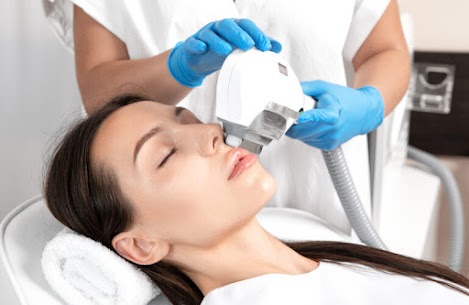
Well-executed cooling turns a heat-based therapy into a predictable, professional experience. It keeps the science honest, the skin calm, and the outcome on track. If you want smooth skin, fewer ingrowns, and a routine that frees you from constant shaving or waxing, invest your time in a clinic that treats cooling as central to the laser hair removal process. That choice will shape your comfort during each visit and the quality of your hair-free skin months after your last session.